


ส่งเสริมการพูดของเด็กวัยเตาะแตะ
ส่งเสริมการพูดของเด็กวัยเตาะแตะ: 5 กลยุทธ์เพื่อพัฒนาภาษา 💬
การส่งเสริมให้เด็กวัยเตาะแตะพัฒนาทักษะทางภาษาถือเป็นส่วนสำคัญของการพัฒนาในวัยเด็กตอนต้น เพราะเป็นพื้นฐานสำหรับการสื่อสารอย่างมีประสิทธิภาพและการเติบโตด้านสติปัญญา ความสามารถในการแสดงออกด้วยคำพูดไม่เพียงช่วยให้การปฏิสัมพันธ์ในชีวิตประจำวันเป็นไปอย่างราบรื่น แต่ยังมีบทบาทสำคัญต่อการพัฒนาทางสังคมและอารมณ์อีกด้วย
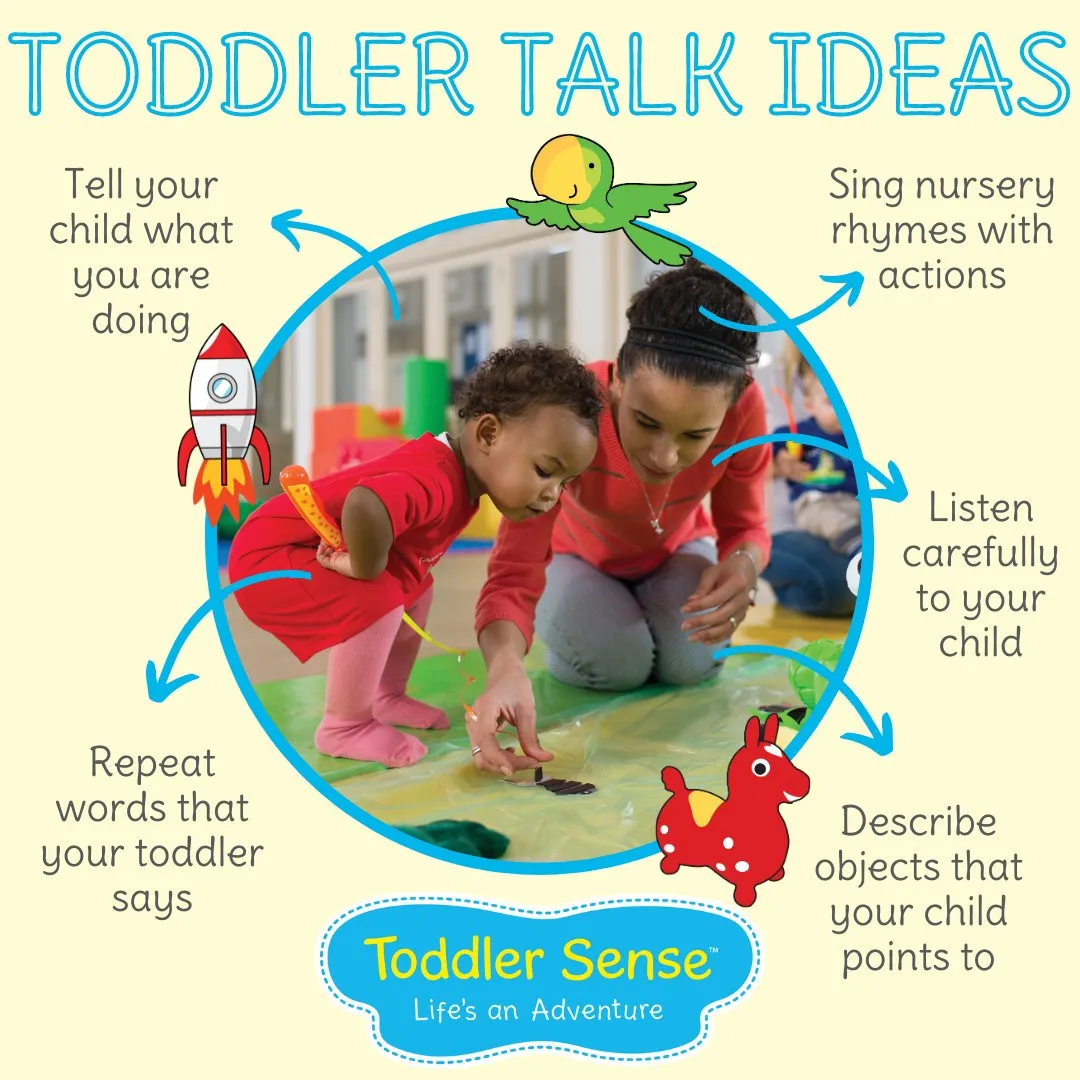
- พูดซ้ำคำที่ลูกพูด: การพูดซ้ำช่วยเสริมสร้างคำศัพท์และทักษะทางภาษา การพูดตามที่ลูกพูดเป็นการยืนยันความพยายามในการสื่อสารของเขาและกระตุ้นให้เขาอยากสื่อสารต่อไป
- บอกลูกว่าคุณกำลังทำอะไร: การเล่าให้ฟังถึงสิ่งที่คุณกำลังทำจะช่วยให้เด็กเข้าใจบริบทและเรียนรู้คำศัพท์ใหม่ๆ พวกเขาจะเริ่มเชื่อมโยงคำกับการกระทำและสิ่งของต่างๆ ทำให้คำศัพท์และความเข้าใจของพวกเขาเพิ่มขึ้น
- อธิบายสิ่งที่ลูกชี้ไป: เมื่อเด็กชี้ไปที่สิ่งของต่างๆ ให้คุณอธิบายเกี่ยวกับสิ่งนั้น การให้คำอธิบายหรือเรียกชื่อสิ่งของที่เขาสนใจจะช่วยให้เขาเชื่อมโยงคำศัพท์กับสิ่งที่อยู่รอบตัว
- ตั้งใจฟังลูกอย่างจริงจัง: การตั้งใจฟังความพยายามในการสื่อสารของลูกแสดงให้เขาเห็นว่าคำพูดของเขามีความสำคัญ การตอบสนองต่อสิ่งที่ลูกพยายามสื่อสารช่วยสร้างสภาพแวดล้อมที่ส่งเสริมการพูดคุยอย่างดี
- ร้องเพลงกล่อมเด็กพร้อมทำท่าประกอบ: เพลงและคำคล้องจองเป็นวิธีที่สนุกในการแนะนำภาษา การเพิ่มท่าทางประกอบช่วยเพิ่มความน่าสนใจและทำให้การเรียนรู้มีความสนุกสนานมากขึ้น นอกจากนี้ยังช่วยให้เด็กเชื่อมโยงคำศัพท์กับการเคลื่อนไหวได้อีกด้วย
🚀 นอกจากวิธีการเหล่านี้ การสร้างสภาพแวดล้อมที่เต็มไปด้วยภาษา การอ่านหนังสือร่วมกัน และการพูดคุยกับลูกก็เป็นสิ่งสำคัญ อย่าลืมว่าเด็กแต่ละคนมีเอกลักษณ์ในแบบของตัวเอง ดังนั้นจึงควรอดทนและให้การสนับสนุนในขณะที่พวกเขาพัฒนาทักษะทางภาษาในจังหวะของตัวเอง
[ที่มา: Instagram: babysensory_toddlersense_nsw]
----------
Encouraging Toddler Talk: 5 Strategies for Language Development 💬
Encouraging toddlers to develop their language skills is a crucial aspect of early childhood development, laying the foundation for effective communication and cognitive growth. The ability to express oneself verbally not only facilitates daily interactions but also plays a vital role in social and emotional development.
1. Repeat words that your toddler says: Repetition helps reinforce vocabulary and language skills. When you repeat what your toddler says, it validates their communication and encourages them to continue expressing themselves.
2. Tell your child what you are doing: Narrating your actions provides context and introduces new words to your toddler. It helps them associate words with actions and objects, expanding their vocabulary and understanding.
3. Describe objects that your child points to: When your toddler points to an object, take the opportunity to describe it. Providing verbal labels for the things they're interested in helps them make connections between words and the world around them.
4. Listen carefully to your child: Actively listening to your toddler's attempts at communication shows them that their words matter. Responding to their cues and attempts to express themselves fosters a positive communication environment.
5. Sing nursery rhymes with actions: Songs and rhymes are engaging ways to introduce language. Incorporating actions adds a kinesthetic element, making the learning experience more interactive and fun for toddlers. It also helps them associate words with movements.
🚀In addition to these, it's essential to create a language-rich environment, read books together, and engage in conversations with your toddler. Every child is unique, so it's important to be patient and supportive as they navigate language development at their own pace.
[Source: instagram : babysensory_toddlersense_nsw]